

The Importance of Ongoing Fire Door Maintenance

More Than Fire Safety: How RiskFire Is Making a Real Difference Beyond Compliance
Fire Safety Changes April 2026: What the New Evacuation Laws Mean for Building Owners and Dutyholders

Why Social Value Matters to Clients, Communities and the Fire Safety Sector
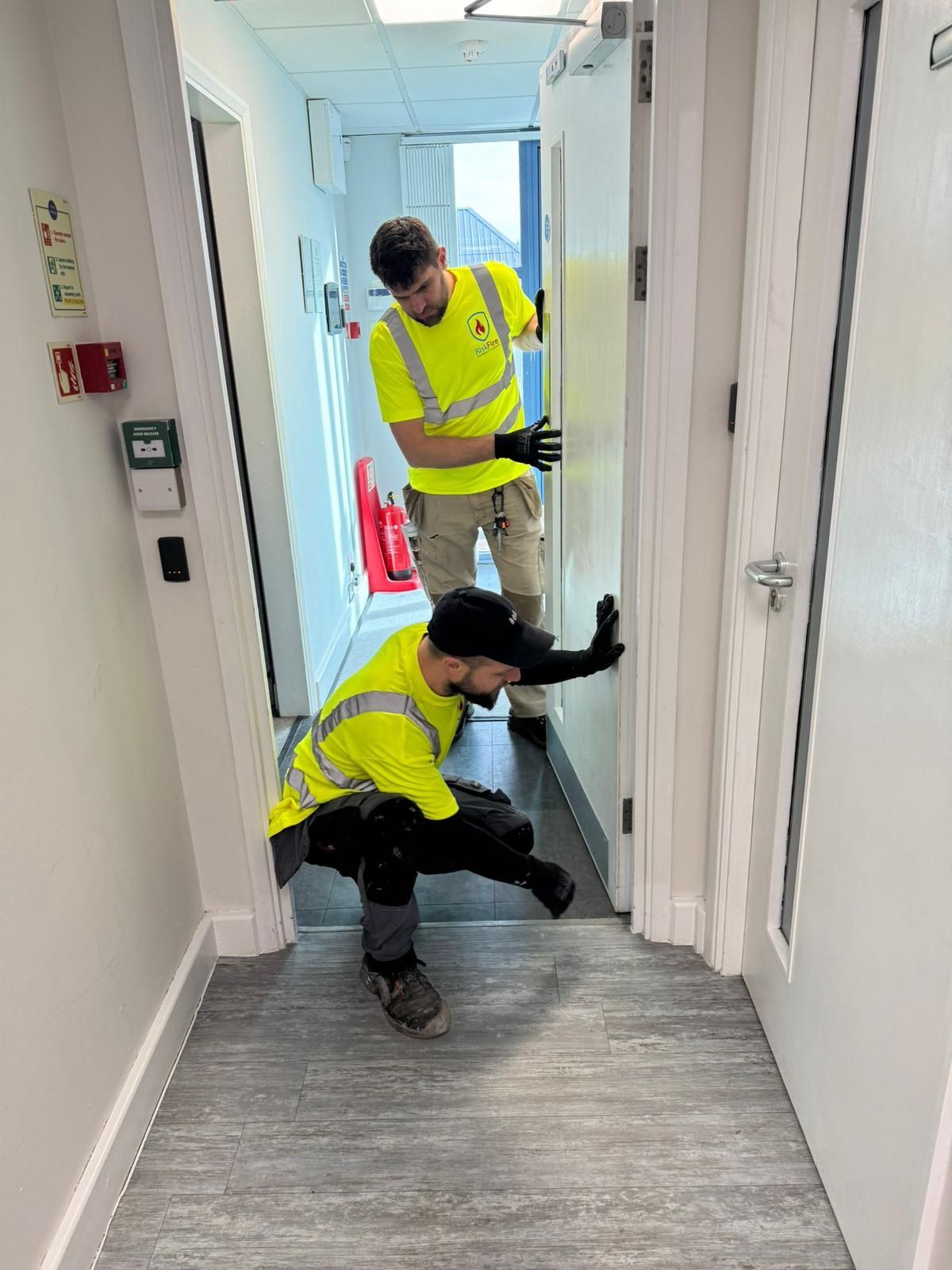
The Importance of Continued Fire Door Maintenance

A Year of Recognition

A Fire Strategy Report is a comprehensive "master plan" that details the entire fire safety approach for a building. It's a foundational design document, distinct from a routine Fire Risk Assessment , that is essential for new builds, major refurbishments, or a change of use. Our report provides a holistic blueprint, outlining everything from evacuation plans and smoke control to compartmentation, ensuring all safety systems work together to achieve full legal compliance and protect the building and its occupants. Navigating Your Duties: Beyond the Fire Risk Assessment As the 'Responsible Person' under The Regulatory Reform (Fire Safety) Order 2005, you carry the legal duty for the safety of your premises. This responsibility is significant, and the cornerstone of managing it is often seen as the Fire Risk Assessment (FRA). However, the FRA is only one piece of the compliance puzzle. For many buildings—especially those that are new, complex, or undergoing significant changes—a far more fundamental document is required: the Fire Strategy Report. While an FRA assesses the current state of an occupied building, a Fire Strategy Report is the high-level blueprint that dictates how the building is designed and built to be safe from the outset. It is the master plan that justifies every fire safety decision, from the type of alarm system to the materials used in the walls. Our guide explains what a Fire Strategy Report is, why it differs critically from an FRA, and when you are required to have one to meet your legal obligations and achieve building regulations approval.

Picture this: a bustling small business, full of energy and potential, suddenly disrupted by the piercing wail of a fire alarm. Panic sets in as employees scramble to safety, and precious time is lost figuring out evacuation routes amidst the chaos. This scenario underscores a crucial point—fire risk assessments aren't just bureaucratic hoops to jump through; they're essential lifelines for your business. Without them, you leave your livelihood and the safety of your team hanging in the balance. Are you confident that your business is protected from fire hazards, or are you unwittingly playing with fire? Understanding the Importance of Fire Risk Assessments A fire risk assessment is more than just a legal requirement; it's a proactive measure that safeguards both your business and its occupants. These assessments help you understand fire safety by identifying potential risks that could threaten your premises. By taking the time to evaluate these dangers, you ensure that your business remains compliant and that your employees and customers feel safe and secure. Fire risk assessments are your first line of defence against potential hazards. By conducting regular assessments, you can spot issues before they escalate into serious problems. This pre-emptive approach not only protects lives but also minimises damage to your property, saving you from costly repairs and downtime. Moreover, staying up-to-date with fire safety standards is crucial for maintaining a safe environment. Regulations and guidelines are constantly evolving, and regular assessments help guarantee that your business complies with the latest mandates. This commitment to safety builds confidence among your employees and customers, reassuring them that your business prioritises their well-being. In essence, a thorough understanding of fire safety and the importance of risk assessments can make the difference between a minor incident and a major disaster. By recognising the potential dangers and taking appropriate action, you can safeguard your business's future while ensuring the safety of everyone involved. Key Legal Requirements for Fire Safety in the UK In the UK, fire safety isn't just a matter of common sense—it's a legal obligation. The Regulatory Reform (Fire Safety) Order 2005 mandates that business owners take specific actions to protect their premises and the people within. This order requires you to appoint a 'responsible person' to oversee fire safety measures, ensuring that all legal requirements are met. One of the primary responsibilities of the 'responsible person' is to maintain clear and accessible fire exits. These exits must be free from obstructions and provide a safe route for evacuation in the event of a fire. Failing to comply with this requirement could have serious legal consequences, so it's crucial to keep all fire exits in optimal condition. Another key aspect of fire safety compliance is the documentation of risk assessments. Proper record-keeping demonstrates that you've taken the necessary steps to identify and mitigate risks, providing a solid defence in case of legal scrutiny. This documentation should be updated regularly to reflect any changes in the premises or operations. Fire safety equipment, such as extinguishers and alarms, must also meet UK regulations. Ensuring that your equipment is up to the required standards protects you from potential fines and guarantees that you're prepared for any fire-related emergencies. In short, adhering to legal requirements is not only about avoiding penalties—it's about creating a safe environment for everyone involved. Understanding your responsibilities and the legal framework surrounding fire safety is integral to running a successful business. By taking these obligations seriously, you demonstrate a commitment to safety that benefits both your business and its occupants.
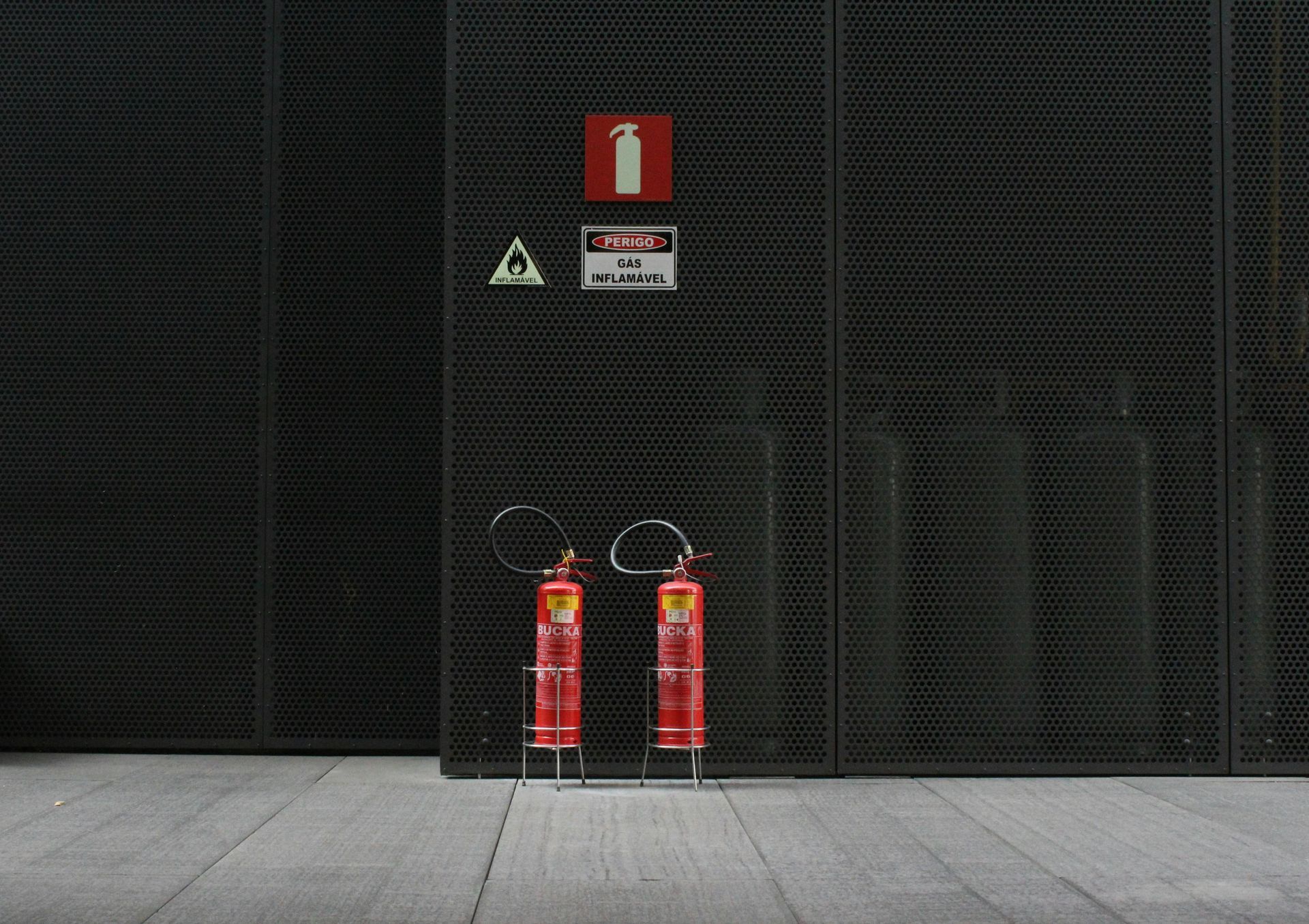
Fire safety is a critical aspect of both home and workplace environments, yet many of us overlook it until an emergency arises. Understanding the different types of fires and how to combat them can literally be the difference between life and death. This guide will walk you through the essentials of selecting the right fire extinguisher for each class of fire, helping you to protect your family, employees, and property. Whether you're a homeowner or a business owner, knowing how to respond effectively in a fire situation is invaluable. Understanding the Different Classes of Fire Before you can choose the right extinguisher, you need to understand the different classes of fire. These classifications are based on the type of fuel involved. Fire classes help us identify and manage the risks associated with different materials. Class A fires involve ordinary combustibles like wood, paper, and textiles. They're the fires we most commonly think of, often occurring in homes and offices. These fires are usually straightforward to manage with the right equipment. Class B fires arise from flammable liquids such as petrol, oil, and paints. These fires are particularly dangerous as they can spread quickly and are often found in garages, workshops, and industrial settings. Class C fires involve flammable gases, such as hydrogen, butane or methane. They must be stored correctly, in sealed containers. Chemical plants, manufacturing facilities and industrial warehouses are at a particular risk. Class D fires occur when combustible metals, such as magnesium, lithium and sodium, ignite. They are more prevalent in laboratories, warehouses and metal fabricators. Electrical Fires involves electrical equipment and wiring. They require special handling to avoid further electrical hazards, making them a unique challenge in both residential and commercial spaces. Class F fires involve cooking oils and fats, common in kitchens. These fires can escalate rapidly and are notoriously challenging to extinguish with water or typical extinguishers. Understanding these classes helps in conducting a fire risk assessment , allowing you to identify potential hazards and prepare adequately. Each class represents different hazards, and knowing these can be your first line of defence in fire prevention.

Fire safety is not just about having the latest alarms or extinguishers in place; it’s about ensuring every component of your building is equipped to handle an emergency. Amongst these components, fire doors play an indispensable role. These silent guardians stand between safety and catastrophe, and their importance cannot be overstated. Yet, many building owners overlook the necessity of conducting regular fire door surveys. If you're responsible for a building, understanding the ins and outs of these surveys is crucial for compliance and safety. Have you ever wondered if your fire doors are truly up to the task when it matters most? Key Takeaways Fire door surveys are essential for occupant safety and regulatory compliance Regular inspections help identify and rectify potential weaknesses Key components like door frames, seals, and closers require thorough checks Common issues include misalignment and damaged seals, which compromise safety Prioritising repairs and maintaining detailed records ensures ongoing compliance Understanding the Importance of Fire Door Surveys Fire door surveys are a critical aspect of maintaining safety within any building. These surveys are not just a box-ticking exercise but a vital process to ensure that fire doors perform effectively during an emergency. Building owners carry the responsibility to maintain and regularly inspect these doors, preventing the spread of fire and smoke, which can be devastating. Fire door inspections help in identifying potential weaknesses before they become hazards. Regular surveys allow owners to address minor issues that, if left unattended, could escalate into significant safety breaches. Additionally, compliance with UK fire safety regulations and standards often hinges on the routine inspection of fire doors, making these surveys indispensable for legal adherence. Moreover, building insurance policies frequently demand evidence of routine fire door inspections. This requirement underscores the importance of these surveys, as they not only protect occupants but also safeguard the building owner from financial liabilities. In essence, fire door surveys are a cornerstone of passive fire protection, ensuring that the risk of fire is minimised and safety standards are upheld. Key Components to Inspect During a Fire Door Survey When conducting a fire door survey, it’s crucial to focus on specific components that ensure the door's effectiveness. The door frame, for instance, must be free from any signs of damage or misalignment. A misaligned frame can prevent the door from closing properly, which is vital in containing fire and smoke. The door leaf, or the main body of the door, should be inspected for any warping, cracks, or damage. Even the slightest imperfection can compromise the door's integrity in a fire situation. Inspectors must also pay attention to the hinges, ensuring they are secure and intact. Loose hinges can lead to door malfunctions, rendering them ineffective during emergencies. Another critical element is the condition of intumescent strips and smoke seals. These components expand under heat, sealing the gap between the door and the frame, and their proper functioning is essential for fire resistance. Finally, door closers should be tested to confirm they operate smoothly, guaranteeing that doors close fully without obstruction. Each of these components plays a pivotal role in the effectiveness of a fire doorset.