



RiskFire Newsletter
By Eve McSherry • 25 June 2026
The Importance of Ongoing Fire Door Maintenance

Fire doors are one of the most important passive fire protection measures within any building. Designed to slow the spread of fire and smoke, they provide valuable time for occupants to evacuate safely and help protect property from extensive fire damage.
However, installing a compliant fire door is only the beginning. Like any other life safety system, fire doors require regular inspection, maintenance and care to ensure they continue to perform as intended throughout their service life.
Why Fire Door Maintenance Matters

Fire doors are subject to daily wear and tear. Thousands of openings and closings each year can gradually affect how they operate, while accidental damage, alterations or poor maintenance can significantly reduce their fire resistance.
Even seemingly minor issues can compromise performance, including:
- Damaged intumescent or smoke seals
- Loose hinges or ironmongery
- Doors that no longer self-close correctly
- Excessive gaps around the door
- Unauthorised modifications or additional fixings
If left unaddressed, these defects may prevent a fire door from performing its vital role during a fire, placing occupants and buildings at unnecessary risk.
Fire Doors Must Be More Than Just Installed

Fire doors are subject to daily wear and tear. Thousands of openings and closings each year can gradually affect how they operate, while accidental damage, alterations or poor maintenance can significantly reduce their fire resistance.
Even seemingly minor issues can compromise performance, including:
- Damaged intumescent or smoke seals
- Loose hinges or ironmongery
- Doors that no longer self-close correctly
- Excessive gaps around the door
- Unauthorised modifications or additional fixings
If left unaddressed, these defects may prevent a fire door from performing its vital role during a fire, placing occupants and buildings at unnecessary risk.
Routine Checks Every Responsible Person Should Carry Out

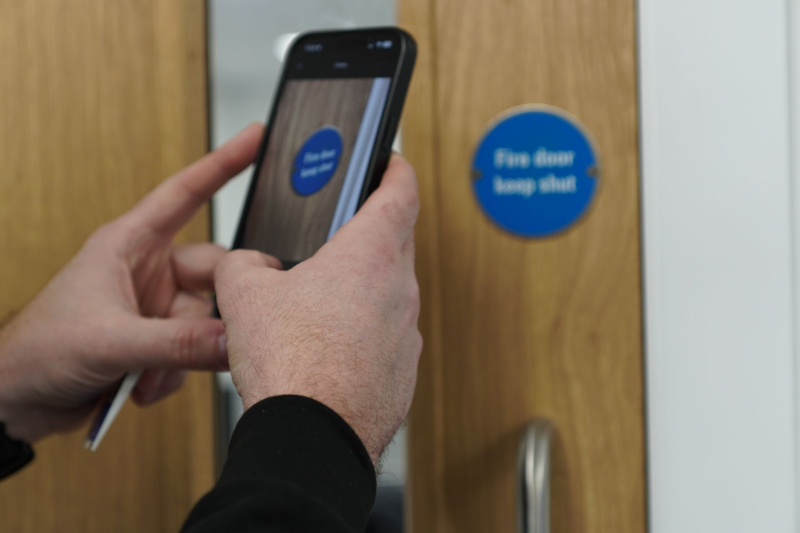
Regular user checks can identify developing issues before they become major defects.
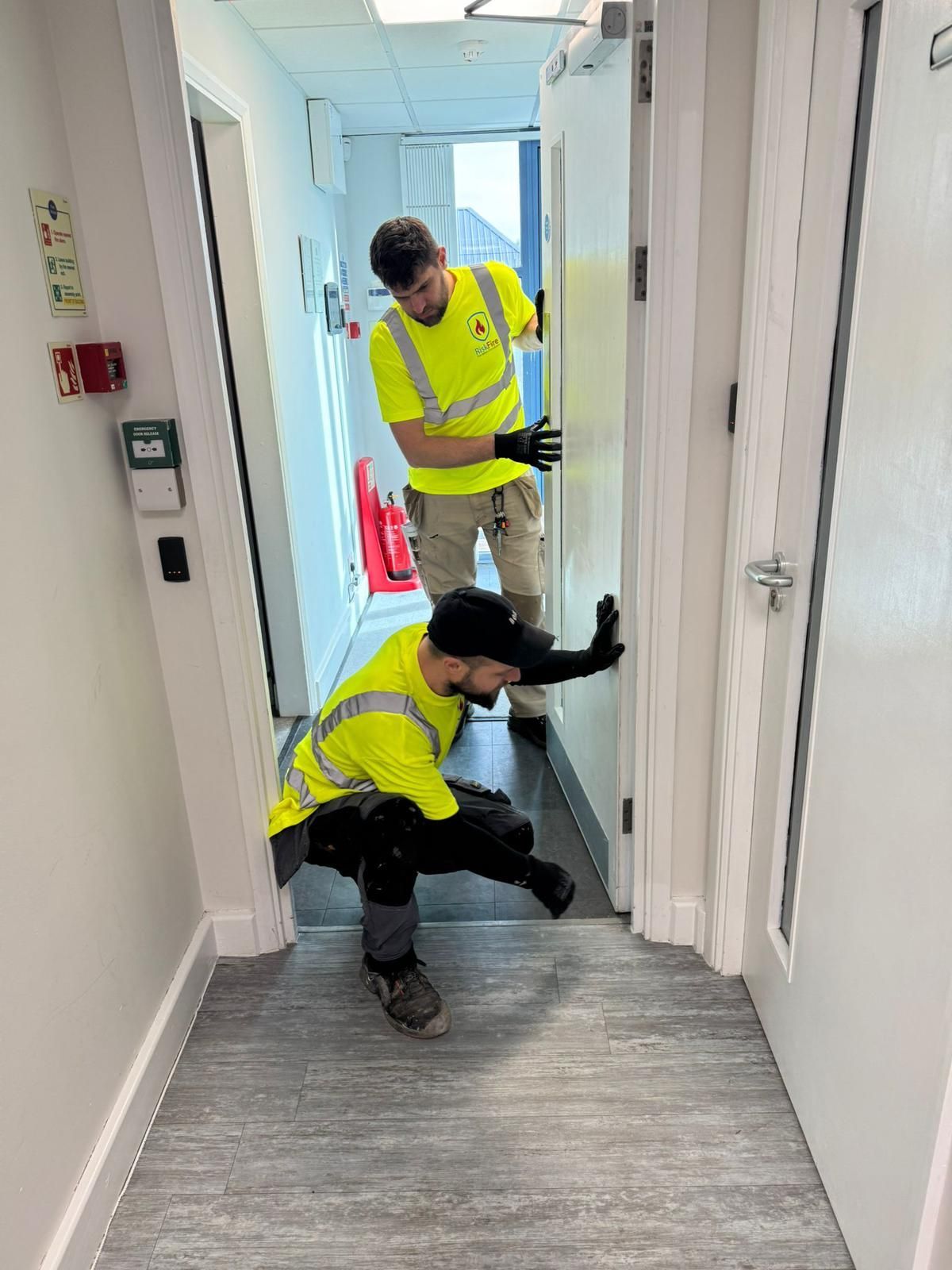
Simple weekly or monthly inspections should include checking that:
- The door closes fully onto the latch without sticking.
- There is no visible damage to the door leaf or frame.
- Intumescent and smoke seals remain continuous and undamaged.
- Hinges, handles and other ironmongery are secure.
- Door gaps remain within acceptable tolerances (typically around 2–4mm).
- The door has not been wedged open.
- Door closers have not been adjusted or tampered with.
- Nothing has been attached to the door or frame that could affect its performance.
These simple checks take only a few minutes but can help identify issues before they develop into costly remedial works.
Professional Inspections Are Still Essential

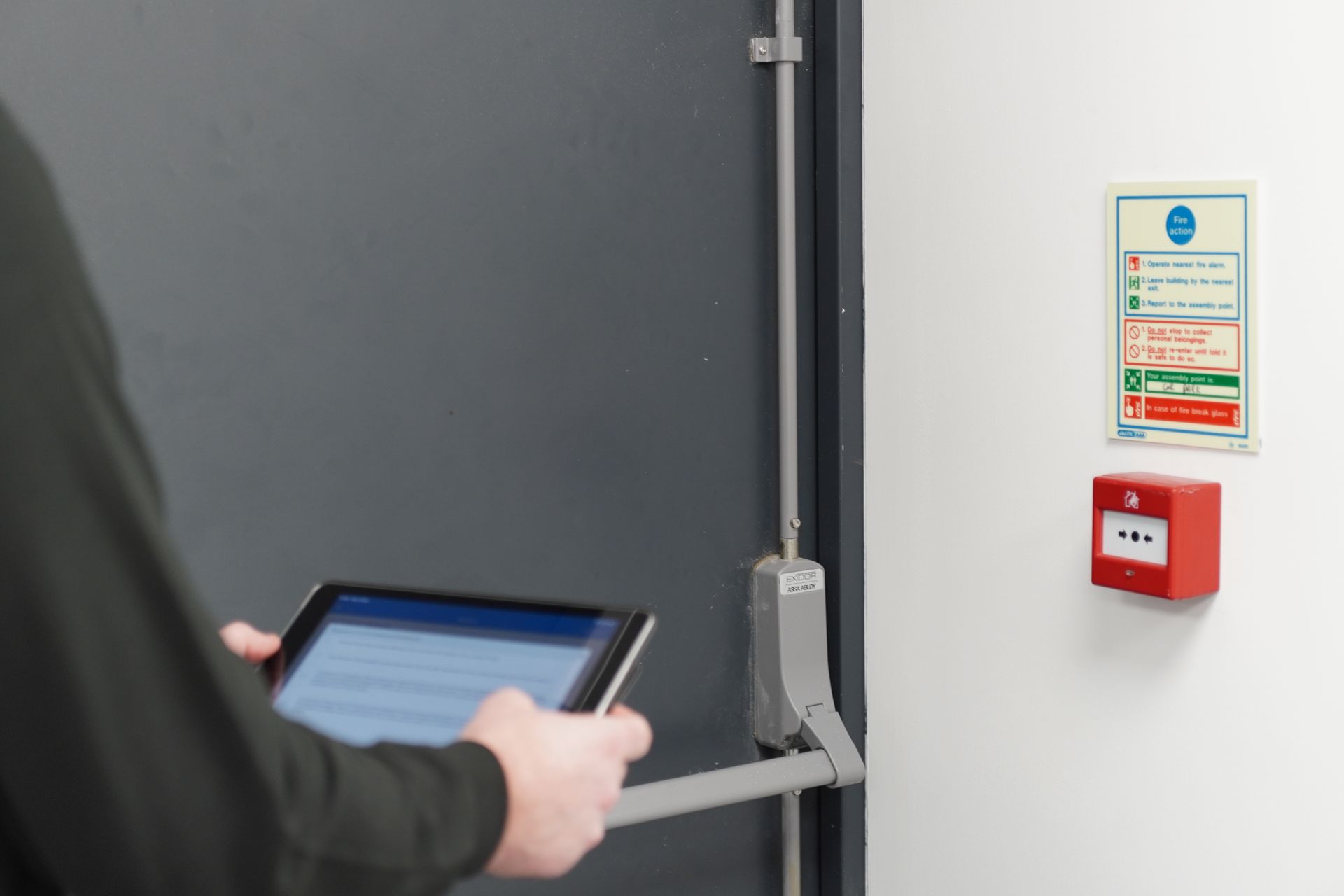
Routine visual checks should never replace formal fire door inspections carried out by competent professionals.
Best practice guidance recommends:
- High-risk and communal fire doors should be professionally inspected at least every six months.
- Low-use fire doors should be inspected at least annually.
-
Professional inspections assess the complete performance of the fire door assembly, ensuring every component continues to meet the required standard.
Minor Adjustments Are Normal

Many building owners are surprised when minor works are identified during annual inspections. In reality, this is completely normal.
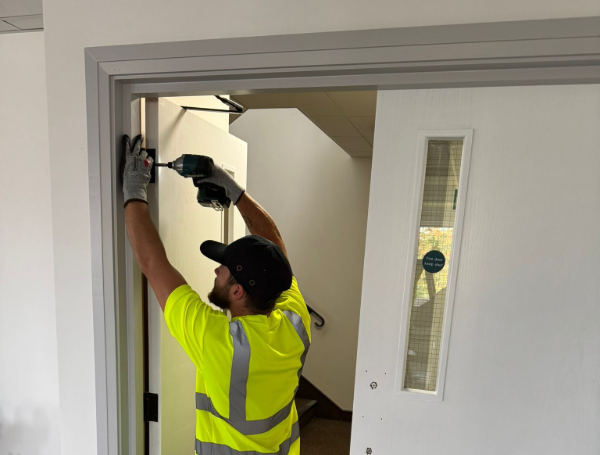
As buildings move, temperatures fluctuate and doors experience daily use, small adjustments are often needed, including:
- Adjusting the door leaf to maintain correct clearances.
- Fine-tuning door closers to ensure reliable self-closing.
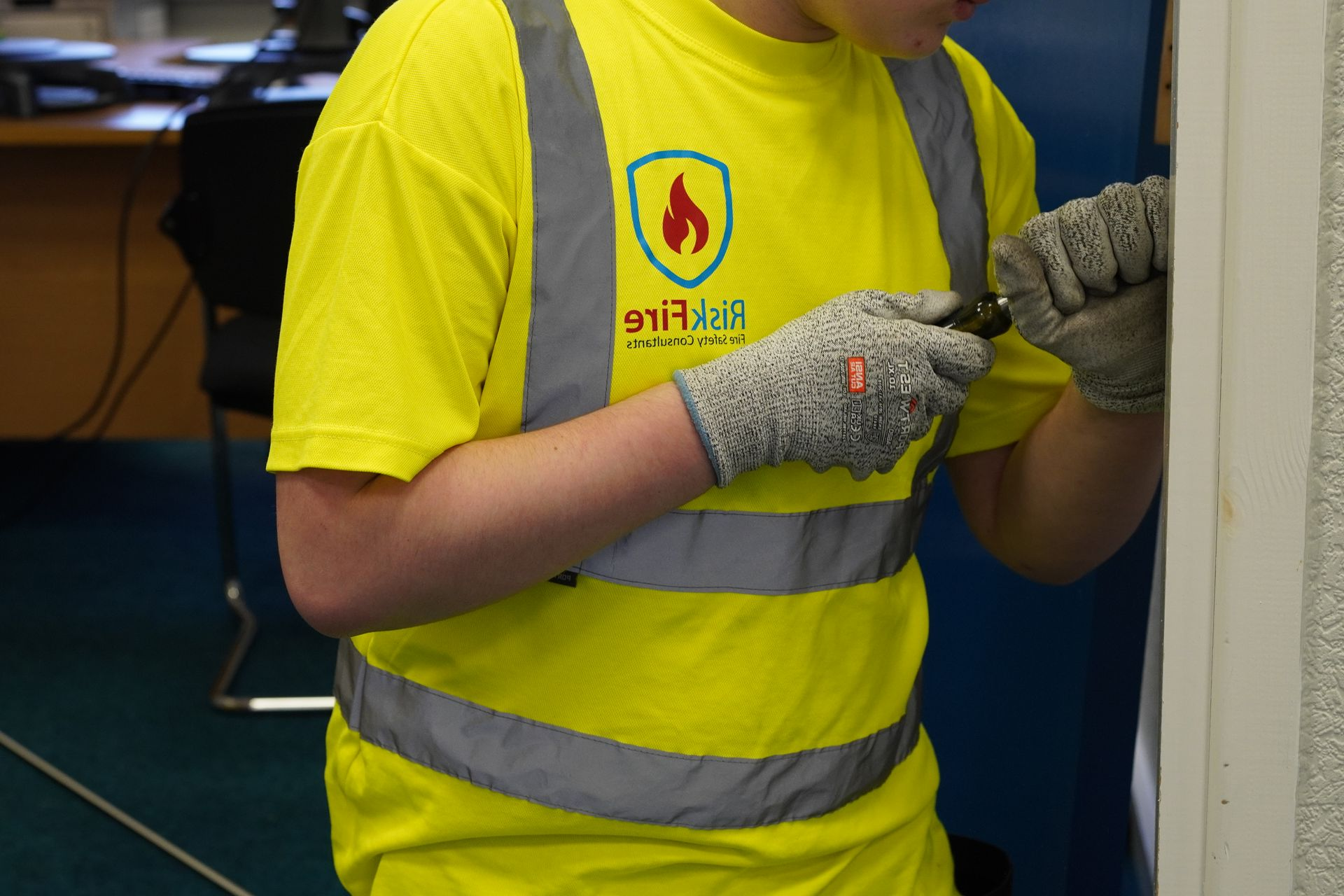
- Tightening or realigning hinges and other ironmongery.
Carrying out these minor adjustments as part of planned maintenance helps prevent larger defects from developing and extends the service life of the fire door.
Common Mistakes to Avoid

Fire doors should never be modified without appropriate approval.
Avoid:
- Drilling or cutting the door or frame.
- Painting over intumescent or smoke seals.
- Replacing certified ironmongery with non-approved alternatives.
- Installing hold-open devices that have not been correctly specified.
Even well-intentioned alterations can compromise the door's fire resistance and invalidate its certification.
Don't Forget Your Records
Fire door maintenance isn't just about carrying out inspections—it also requires accurate record keeping.
Responsible Persons should retain:
- Fire door completion certificates.
- Inspection and maintenance records.
- Records of any remedial works completed.
Maintaining a clear audit trail demonstrates effective fire safety management and may be required during audits, inspections or enforcement action.
Protecting People Through Planned Maintenance

Fire doors save lives—but only when they are correctly maintained.
A proactive maintenance programme helps ensure every fire door continues to perform exactly as it was designed, protecting escape routes, limiting the spread of fire and smoke, and supporting compliance with current fire safety legislation.
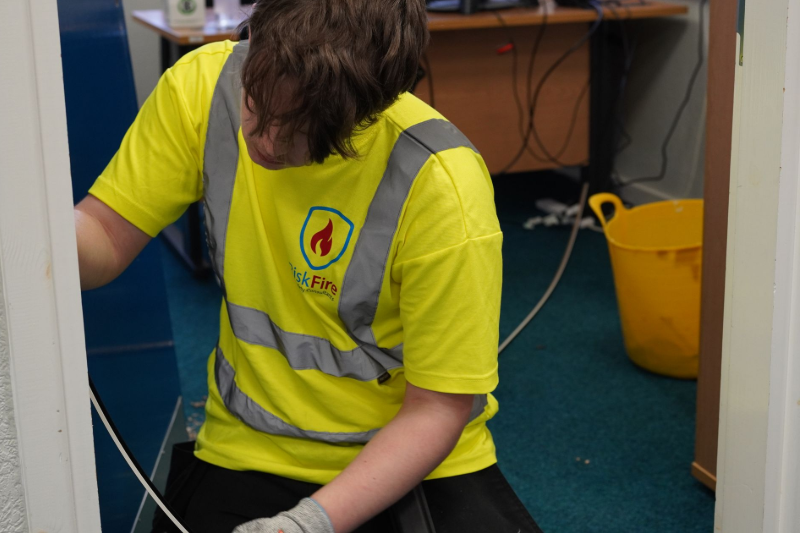
At RiskFire, we provide comprehensive fire door inspections, ongoing maintenance programmes, remedial works and wider passive fire safety consultancy to help organisations maintain safe, compliant buildings long after installation is complete.
Sign Up For Our Newsletter
Sign up to get industry insights, trends, and more in your inbox.
Contact Us
We will get back to you as soon as possible.
Please try again later.
SHARE THIS